
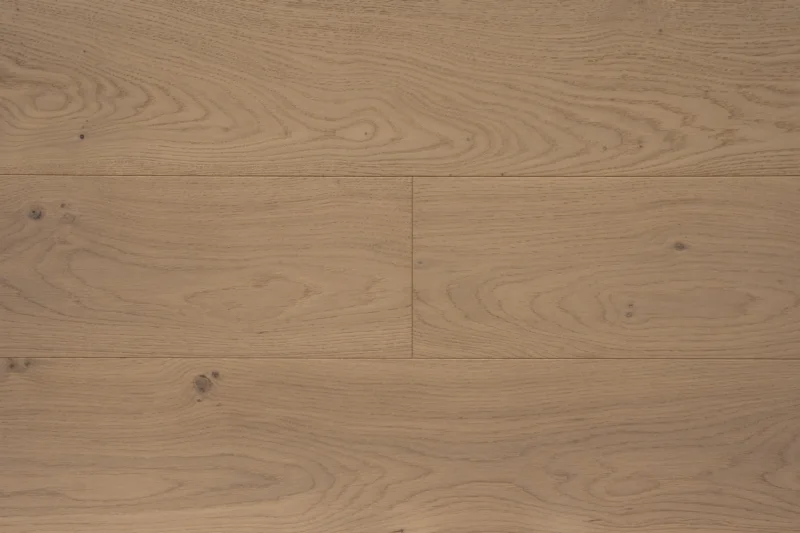
In a world increasingly focused on sustainability, reclaimed wood flooring stands out as an eco-friendly and stylish choice. Salvaged from old buildings, barns, and industrial structures, each plank carries genuine history — and a significantly lighter environmental footprint than new timber. Here’s why reclaimed wood deserves serious consideration for your next flooring project.
What Is Reclaimed Wood Flooring?
Reclaimed wood flooring is made from timber salvaged from demolished or decommissioned structures — old warehouses, barns, factories, railway sleepers, and even demolished Georgian or Victorian buildings. Instead of being discarded, this wood is carefully cleaned, de-nailed, kiln-dried, and milled into flooring planks. Each piece retains the grain patterns, knots, nail holes, and natural patina that decades or centuries of use have created — details impossible to replicate in new timber.
Environmental Benefits
Choosing reclaimed wood is one of the most genuinely sustainable flooring decisions you can make. The environmental case is clear:
- Preservation of natural resources: Reclaimed timber reduces demand for new logging, helping protect forests and the biodiversity that depends on them.
- Lower embodied energy: Processing reclaimed wood consumes far less energy than felling, transporting, and milling virgin timber from managed forests.
- Reduced carbon footprint: Reclaimed wood is often sourced regionally, cutting transport emissions — and the carbon already locked into old-growth timber remains sequestered rather than released through incineration or landfill.
Unique Aesthetics
The visual appeal of reclaimed wood is impossible to manufacture. New wood can be artificially distressed, but the result rarely matches the authentic character of genuinely aged timber:
- Patina and character: Weathering, hand-adze marks, nail holes, and natural colour variation create a floor with genuine visual depth.
- Distinctive grain patterns: Old-growth timber — often 100–300 years old when the building was first constructed — features tight, dense grain patterns not found in fast-grown modern timber.
- Wide species variety: Reclaimed stock includes species no longer commercially available, such as American chestnut, heart pine, and antique oak, each with its own colour and texture.
Durability and Longevity
Far from being fragile, reclaimed wood is often more stable than new timber. The reasons are structural:
- Well-aged stability: Old-growth wood has spent centuries drying naturally; it has already undergone the expansion and contraction cycles that cause new wood to warp or cup.
- Easy maintenance: Reclaimed floors require only regular sweeping and the occasional damp mop with a pH-neutral hardwood cleaner — no specialist treatments needed.
- Refinishing potential: Most reclaimed solid wood floors can be sanded and refinished multiple times, giving them a lifespan measured in generations rather than decades.
Supporting Sustainable Practices
Sourcing reclaimed wood means supporting the businesses and craftspeople who do the painstaking work of salvage, restoration, and responsible resale. Many UK reclaimed timber specialists work with conservation bodies and heritage organisations to ensure that historically significant materials are preserved and reused rather than lost. When you buy reclaimed flooring from a reputable supplier, you are participating in a circular economy that values material heritage alongside environmental responsibility.
Is Reclaimed Wood Right for Your Home?
Reclaimed wood flooring suits a wide range of interiors — from exposed-brick urban apartments to rural farmhouses and period townhouses. It pairs particularly well with industrial, Scandi, and heritage interior styles. Bear in mind that colour, plank size, and species availability vary with each batch, so it’s worth ordering samples and confirming stock quantities before committing. For homeowners who want flooring with genuine character, a story, and strong environmental credentials, reclaimed wood is hard to beat.