Home / Engineered Wood Flooring
Engineered Wood Flooring
Engineered wood flooring combines a genuine oak top layer with a stable multi-ply birch core, giving you the authentic look and feel of solid wood with superior dimensional stability. Ideal for South London homes — it handles the humidity and heating that solid wood can struggle with, and works perfectly over underfloor heating systems.
Shop Engineered Wood Flooring
-
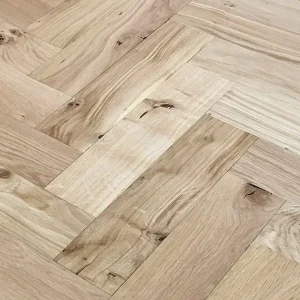
Brushed Oak Herringbone – Engineered Oak Herringbone Flooring
Price on request Request price -
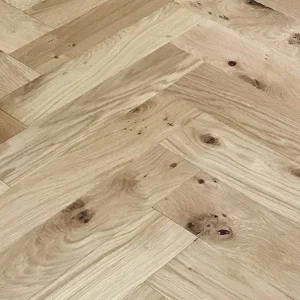
Natural Oak Herringbone – Engineered Oak Herringbone Flooring
Price on request Request price -
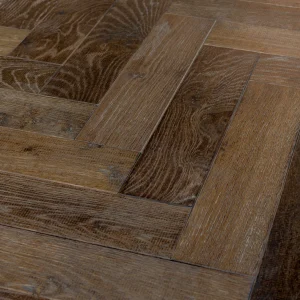
Tannery Brown Herringbone – Engineered Oak Herringbone Flooring
Price on request Request price -
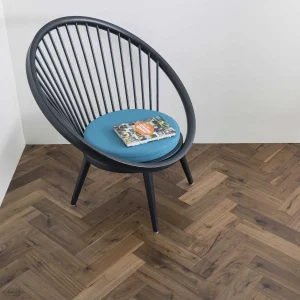
American Black Walnut Herringbone – Engineered Walnut Herringbone Flooring
Price on request Request price -
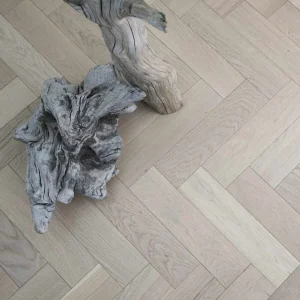
Shore Drift Herringbone – Engineered Oak Herringbone Flooring
Price on request Request price -
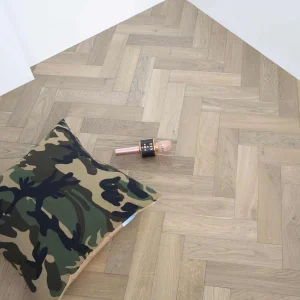
White Smoked Herringbone – Engineered Oak Herringbone Flooring
Price on request Request price -
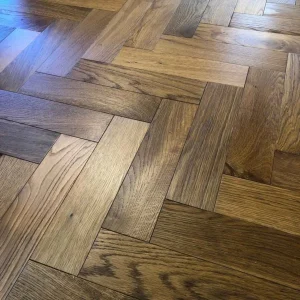
Smoked Oak Herringbone ZB – Engineered Oak Herringbone Flooring
Price on request Request price -
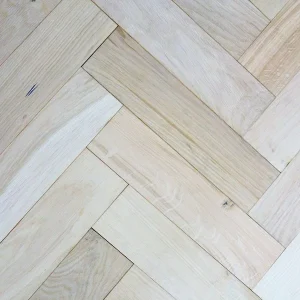
Unfinished Oak Herringbone – Engineered Oak Herringbone Flooring
Price on request Request price -
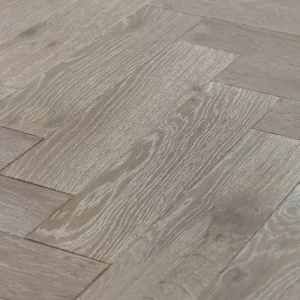
Silver Haze Herringbone – Engineered Oak Herringbone Flooring
Price on request Request price -
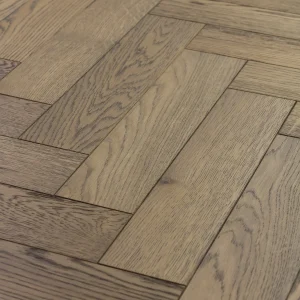
Frozen Umber Herringbone – Engineered Oak Herringbone Flooring
Price on request Request price -
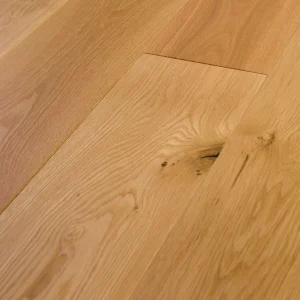
Rustic UV Oiled Oak – Engineered Oak Plank Flooring
Price on request Request price -
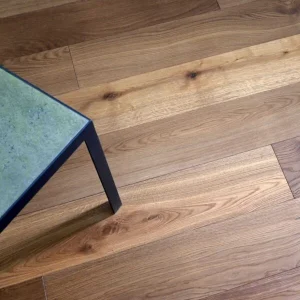
Thermo Oak Plank – Engineered Oak Plank Flooring
Price on request Request price
🌡️
Underfloor Heating Compatible
Engineered construction handles temperature changes without warping — suitable for wet and electric UFH systems.
🪵
Real Oak Surface
The visible wear layer is genuine oak — not a print or laminate. It can be sanded and refinished 1–3 times over its lifetime.
📐
Wide Range of Formats
From narrow 90mm herringbone blocks to extra-wide 220mm planks. Available in multiple thicknesses from 10mm to 20mm.
Why Choose Engineered Oak Flooring?
Engineered oak gives you the warmth and grain of real timber with far greater stability than solid wood. Our range spans more than 140 floors — from narrow 90mm herringbone blocks to extra-wide 220mm planks, in thicknesses from 10mm to 20mm and wear layers up to 6mm that can be sanded and refinished several times.
Finishes run from natural matt-lacquered to deeply brushed and oiled, in colours from pale light oak through smoked, grey and rich brown. Because the multi-ply birch core resists seasonal movement, engineered oak is the right choice for kitchens, open-plan spaces and any room with underfloor heating — common in the period and new-build homes we supply and fit across South East London.
Frequently Asked Questions
How thick should the wear layer be?
A 2–3mm wear layer suits most homes; a 4–6mm layer allows several future sandings and is the better choice for high-traffic areas or long-term family homes.
Does engineered oak look different from solid wood?
No — the visible surface is a genuine oak wear layer, so once fitted an engineered floor is virtually indistinguishable from solid oak.
What is engineered wood flooring?
Engineered wood flooring has a real oak top layer (the wear layer) bonded to a multi-ply birch or pine core. The layered construction makes it more stable than solid wood and suitable for a wider range of subfloors and heating systems.
Is engineered flooring suitable for underfloor heating?
Yes — most engineered floors are compatible with both wet and electric underfloor heating systems. Look for a wear layer of 3mm or more for maximum longevity when used with UFH.
Can engineered wood flooring be sanded?
Yes, depending on the wear layer thickness. A 3mm wear layer allows 1–2 light sands; 4–6mm allows 2–3 full sands over the floor’s lifetime.
How long does engineered wood flooring last?
A well-maintained engineered floor with a 4mm+ wear layer can last 25–40 years. The overall board thickness (14–20mm) also contributes to its durability.
What’s the difference between lacquered and oiled finishes?
Lacquered floors have a protective surface coat — easy to clean, slightly glossy, no ongoing maintenance needed. Oiled floors have a natural matte look and penetrating oil that needs re-oiling every 1–3 years but is easier to repair locally.
Ready to Choose Your Floor?
Visit our Forest Hill showroom, request free samples, or get a free quote today.