
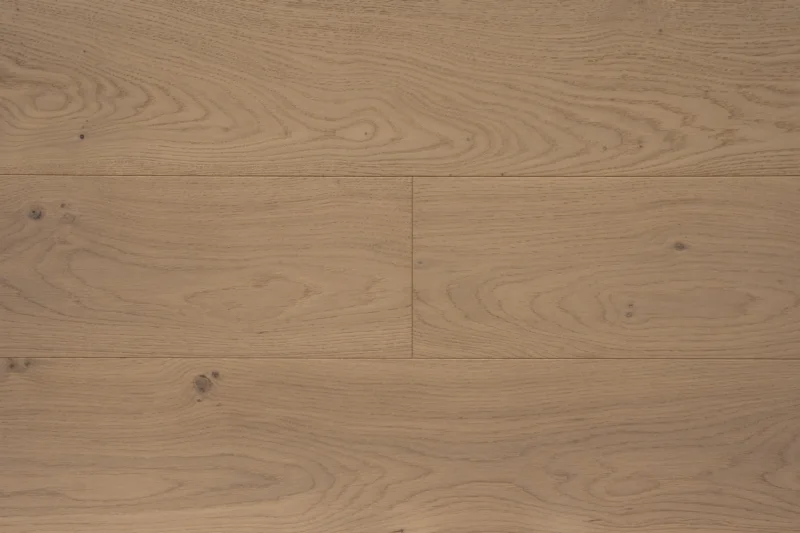
Choosing the right wood floor for a room involves more than picking a colour you like from a sample. The flooring you choose becomes the largest visual surface in the space — it interacts with the light, the ceiling height, the furniture, and the architectural character of the property in ways that a small sample can’t fully predict. Getting it right requires thinking about a few key principles. Here are the most important do’s and don’ts.
The Design Do’s
These principles will help you make a choice that enhances your space rather than fighting it:
- Use tone to control perceived light and space. Pale, light floors expand a room visually and reflect light upward — particularly effective in small rooms or north-facing spaces. Dark floors add warmth and drama to large, well-lit rooms but can make smaller spaces feel enclosed.
- Match board width to room scale. Wide planks (180mm+) work beautifully in large, open rooms where their sweep can be appreciated. In small or narrow rooms, narrower boards (90–120mm) create more visual rhythm and make the space feel more proportional.
- Consider the property’s age and character. A hand-scraped, distressed, or antique oak floor that would look stunning in a period property can look incongruous in a 1980s semi. Conversely, a sleek, contemporary lacquered floor can look out of place in a Georgian terrace.
- Be practical in kitchens and hallways. Darker, more characterful floors disguise scuffs, marks, and the inevitable kitchen spills far better than pale, prime-grade boards. Choose a grade and finish that suits the use intensity of the space.
- Choose oak for rental properties. Its neutrality, durability, and near-universal appeal with different furniture styles make it the safest and most commercially sensible choice for a buy-to-let floor.
- Think of the floor as furniture. It covers more surface area than any other single element in the room. Take at least as much time selecting it as you would selecting a sofa.
The Design Don’ts
Equally important are the mistakes that are easy to make and harder to fix once the floor is laid:
- Don’t match the floor to furniture exactly. An exact colour match between floor and furniture creates a flat, monochromatic effect that looks unintentional. Choose a floor that is noticeably lighter or darker than the dominant furniture tone for visual contrast and depth.
- Don’t mix warm and cool tones. This is the most common mistake in wood floor selection. A warm, orange-brown oak floor will look jarring beneath cool grey furniture or pale Scandi cabinetry. A cool, whitewashed or grey-toned floor will fight with warm honey-oak furniture. Before selecting a floor, identify whether your existing scheme is warm or cool-toned and choose accordingly.
- Don’t rely on small samples alone. A 10cm × 10cm sample looks different under showroom lighting, in your room at noon, and under your room’s evening artificial light. Visit a showroom where you can see full-width boards laid out at length, or ask for a larger sample loan before committing.
- Don’t ignore how wood changes with time. Most species darken, warm, or shift in tone significantly in the first 1–2 years after installation, particularly in rooms with direct sunlight. Cherry darkens dramatically; oak warms and mellows; some white-oiled floors can yellow slightly. Research how your chosen species ages before buying.
- Don’t mix board directions between adjoining rooms. Unless the rooms are completely separated by a wall or threshold, running boards in different directions in adjacent spaces creates a visual conflict. The board direction should follow the primary light source or the longest axis of the overall floor plan.
Getting Inspiration Right
The easiest way to develop confidence in your wood floor choice is to spend time looking at rooms where it has been done well. Pinterest and Houzz are genuinely useful for this — search for your interior style (Scandi, industrial, period, contemporary) plus “wood floor” to find rooms where flooring decisions have been made deliberately and successfully. Save images that appeal to you and look for patterns: are they consistently pale or dark boards? Wide or narrow? Oiled or lacquered? The patterns in what you save will reveal your preference more reliably than a quick decision in a showroom, and will give you clear criteria to use when comparing products.