
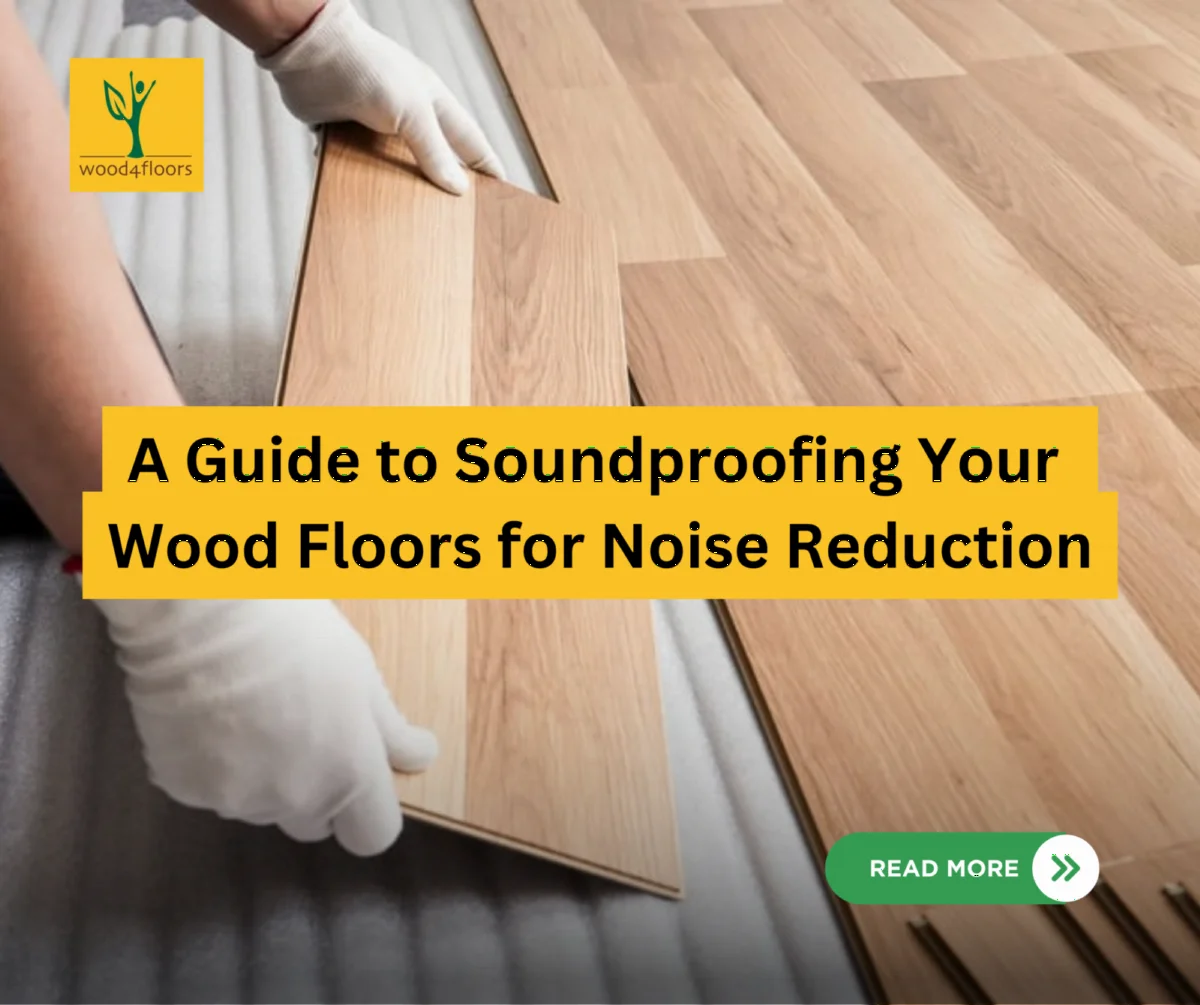
Wood floors are timeless and beautiful — but they can be surprisingly effective at transmitting sound. Footsteps, echoing voices, and impact noise from upper floors are common complaints in homes with solid or engineered wood. The good news is that several practical techniques can dramatically reduce noise without touching your existing floor. Here’s a practical guide to soundproofing wood floors.
How Wood Floors Transmit Sound
Wood floors transmit two distinct types of noise: airborne sound (voices, music, TV) and impact noise (footsteps, dropped objects). Airborne sound travels through gaps, subfloor voids, and thin construction. Impact noise is generated directly at the floor surface and travels through the structure as vibration. Effective soundproofing addresses both — and the methods below each target one or both types.
Area Rugs: Simple and Immediately Effective
Placing area rugs on wood floors is the easiest and fastest way to reduce impact noise. A thick rug with a dense pile absorbs the vibration at source before it enters the floor structure. For maximum effect, add a separate rug underlay — rubber or felt — beneath the rug. This combination can reduce impact sound levels noticeably in the room below. Position rugs in the highest-traffic areas: hallways, living room seating zones, and children’s bedrooms.
Acoustic Underlayment for New or Refloored Rooms
If you are installing a new wood or engineered floor — or lifting an existing one — acoustic underlayment is the single most cost-effective soundproofing upgrade available. Placed between the subfloor and the finished flooring, it decouples the boards from the structure and absorbs impact vibration. Cork and rubber-foam composite underlays offer the best noise reduction ratings (typically 17–22 dB impact sound reduction). For party floors in flats or terraced houses, look for products with both an Impact Sound Reduction (ISR) and airborne ΔRw rating on the packaging.
Fill Gaps with Acoustic Sealant
Gaps between floorboards, around skirting boards, and at pipe penetrations are direct pathways for airborne sound. Filling them with a flexible acoustic sealant (not standard decorators’ caulk, which cracks as boards move) blocks these transmission routes without restricting the natural movement of the wood. Check around hearths, at junctions with walls, and anywhere pipes rise through the floor. This step is especially worthwhile in older properties where boards have shrunk over time and gaps have widened.
Soft Furnishings as Acoustic Absorbers
Hard surfaces reflect sound; soft surfaces absorb it. Heavy curtains, upholstered sofas, bookshelves packed with books, and even wall-mounted fabric panels all reduce the reverberation time in a room. This won’t stop impact noise reaching the floor below, but it significantly reduces the echo and harshness of sound within the room itself — making it feel quieter and more comfortable. In open-plan rooms where rugs and underlayment options are limited, soft furnishings can make a meaningful difference.
Strategic Furniture Placement
Heavy furniture placed against party walls or over particularly noisy floor areas acts as a passive sound barrier. A large bookcase filled with books, for instance, provides meaningful mass that interrupts sound transmission through the wall behind it. In a room above a noisy neighbour, positioning wardrobes, storage units, and heavy sofas over the areas of the floor that transmit the most sound can noticeably reduce what you hear — at no cost beyond rearranging what you already own.
When to Call a Specialist
The techniques above are DIY-friendly and effective for most domestic situations. However, if you need to meet building regulations — particularly for a converted flat, home studio, or new-build project — professional acoustic floor systems with tested performance ratings may be required. A specialist acoustic flooring contractor can recommend systems that meet Part E of the Building Regulations (England and Wales) or equivalent standards, and provide the documented performance data that building control officers need. For most homeowners, though, a combination of good underlayment, rugs, and gap sealing will achieve comfortable, noticeably quieter living.