When you buy a wood floor, one of the first choices you face is the finish: lacquer or oil. Both protect the surface, but they do so in completely different ways — and they behave differently in everyday use, in maintenance, and in how they age. Understanding the distinction helps you choose a floor you’ll be happy with for years, not just days after installation.
How Lacquer Finishes Work
Lacquer sits on the surface of the wood, forming a hard, protective film. Modern water-based lacquers are tough, low in VOCs, and available in a range of sheens from high gloss to matt. The surface is very easy to clean — a damp mop picks up most dirt without specialist products. Lacquered floors tend to look uniform and consistent, with an even sheen across the board. They’re a popular choice for kitchens and busy family homes because cleaning is quick and straightforward. Most hardwood flooring sold in the UK today comes pre-lacquered from the factory, with 5–7 coats of UV-cured lacquer already applied.
How Oil Finishes Work
Oil penetrates into the wood fibres rather than sitting on top. This means it doesn’t form a surface film — instead, it nourishes the wood from within and leaves a more natural, tactile finish. Modern hardwax oils and UV-cured factory oils have made oiled floors much more durable and practical than they once were, but the surface remains slightly more open and textured than lacquer. There are two main types of factory oil finish: UV-cured oil (hardened in the factory under UV light, giving a more durable surface) and natural oil (which can be recoated more easily with compatible maintenance products at home).
Daily Maintenance: Lacquer vs. Oil
Lacquered floors require less day-to-day attention. Sweeping and occasional damp mopping with a pH-neutral cleaner is sufficient. The sealed surface prevents spills from penetrating quickly, giving you more time to wipe up liquid before damage occurs. Oiled floors need slightly more routine care — they benefit from periodic application of a maintenance oil or refresher product (typically once or twice a year) to keep the surface nourished and the finish performing. They are more susceptible to water marks and staining if spills are not cleaned promptly, and they require specific oiled-floor cleaning products rather than general-purpose hardwood cleaners.
Repairing Scratches and Localised Damage
This is where the two finishes diverge most significantly. Oiled floors can be repaired locally — a small amount of compatible oil or hardwax paste, applied to a scratched or marked area, can restore the surface without any visible patch boundary. This makes spot repairs genuinely invisible. Lacquered floors cannot be repaired locally without the risk of a visible sheen difference at the repair patch. Once a lacquered floor is worn through or damaged, the whole floor (or at minimum the affected boards) typically needs to be sanded back and refinished by a specialist.
Appearance: Sheen, Colour, and Character
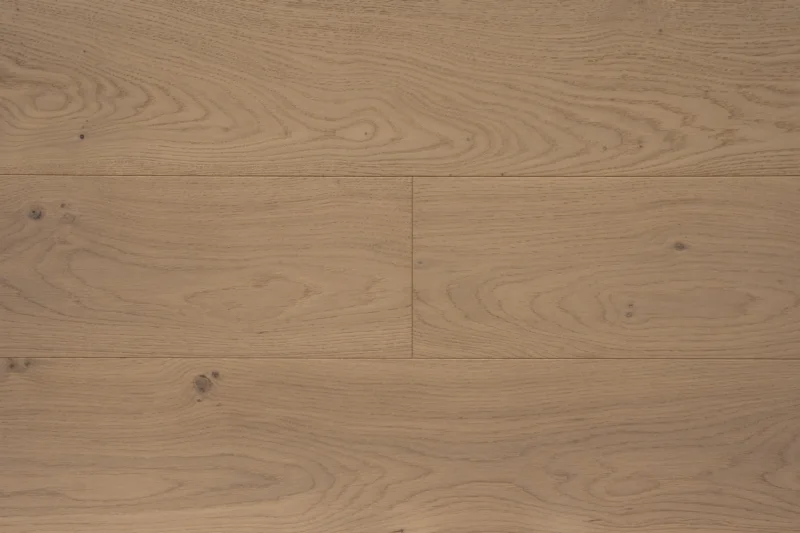
Lacquer adds a consistent surface sheen that slightly deepens and enriches the colour of the wood beneath. Matt and satin lacquers are the most popular choices, offering protection without an artificial-looking gloss. Oiled finishes leave the wood looking more natural and matte, with the grain texture more tactile underfoot. Some specialist finishes — including certain white-pigmented oils and lye-based treatments — can lighten or completely transform the colour of the wood. Both finishes are available in factory pre-finished form for most board species and grades.
Which Finish Is Right for You?
Choose lacquer if you want easy cleaning, a consistent surface appearance, and low day-to-day maintenance effort. It suits busy households, kitchens, and anyone who doesn’t want to think too much about floor upkeep. Choose oil if you want a more natural, authentic look and the ability to repair minor damage yourself without professional involvement. It suits people who are willing to invest a little time in annual maintenance in exchange for a floor that looks genuinely alive and ages beautifully rather than simply wearing out.